Manufacturing companies today face intense pressure to reduce costs, improve efficiency, maintain quality, and respond faster to market demands. Managing production, inventory, supply chains, finance, and workforce manually or with disconnected software is no longer sustainable. This is where ERP for manufacturing becomes a critical investment rather than an optional tool.
Understanding ERP for Manufacturing
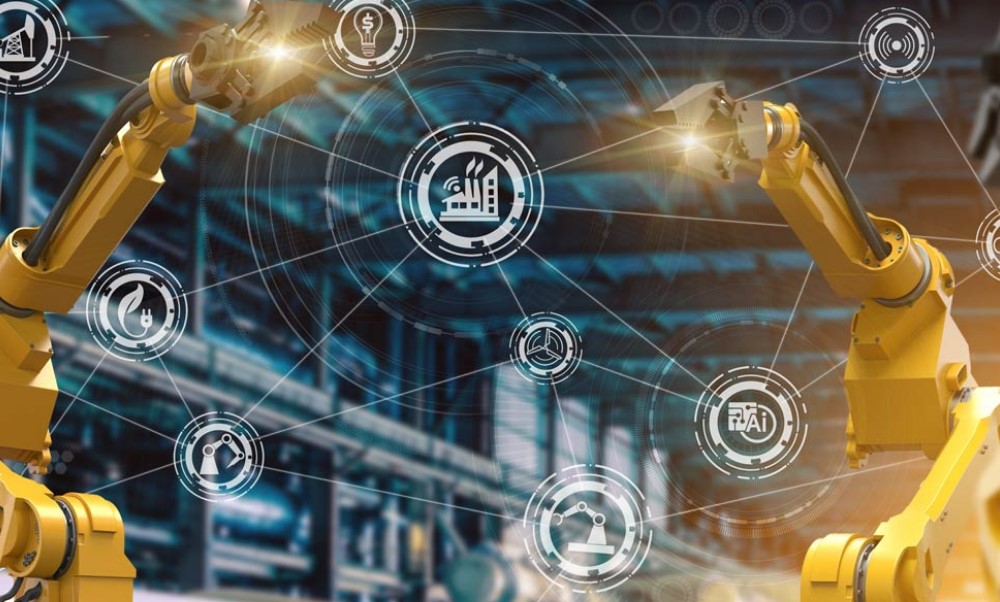
What ERP for Manufacturing Really Means
ERP for manufacturing refers to enterprise resource planning software tailored to meet the operational needs of manufacturing businesses. Unlike generic ERP systems, manufacturing ERP solutions are built to handle complex production processes, bill of materials, shop floor control, demand forecasting, and quality management.
This type of ERP software connects departments such as production, inventory, procurement, finance, sales, and human resources into a single unified system. The result is seamless data flow across the organization, eliminating silos and reducing errors caused by manual data entry.
Manufacturers using ERP for manufacturing gain the ability to track every stage of production in real time. This includes monitoring machine utilization, production costs, inventory levels, and order status, all from one centralized dashboard.
Why Generic Software Is Not Enough for Manufacturers
- Limited Real-Time Visibility
Generic software does not provide real-time insights into manufacturing operations. Production status, machine performance, inventory levels, and work-in-progress are often tracked in separate tools. This lack of integration forces manufacturers to rely on manual updates, leading to delayed decisions, miscommunication between departments, and reduced operational control. - Inability to Handle Complex Production Processes
Manufacturing requires detailed management of bills of materials, routing, capacity planning, and work orders. Generic software is not designed to manage these interconnected processes. When production changes occur, such as urgent orders or material shortages, generic tools cannot automatically adjust schedules, resulting in downtime and inefficiencies. - Poor Inventory Management and Forecasting
Effective inventory control is critical in manufacturing, yet generic software offers only basic tracking features. It lacks advanced demand forecasting and material planning capabilities. This often leads to excess stock that increases storage costs or inventory shortages that interrupt production and delay customer deliveries. - Lack of Scalability for Growing Operations
As manufacturers expand, generic software becomes increasingly difficult to manage. Adding new production lines, warehouses, or locations requires manual workarounds that increase complexity and error risks. This lack of scalability limits growth and makes it hard to maintain consistent operational standards. - Inadequate Cost Tracking and Profit Analysis
Manufacturing profitability depends on accurate tracking of material costs, labor, and overhead. Generic software does not provide detailed cost breakdowns at the production level. Without clear cost visibility, manufacturers struggle to identify inefficiencies, control expenses, and optimize pricing strategies. - Limited Process Automation
Generic tools rely heavily on manual input and repetitive tasks. This increases the risk of human error and slows down operations. Manufacturers need automated workflows to streamline production planning, procurement, and reporting, which generic software cannot effectively support.
In a competitive manufacturing environment, relying on generic software creates operational gaps and limits business potential. Manufacturers need specialized systems designed to integrate processes, improve visibility, and support long-term efficiency and growth.
Key Features of ERP for Manufacturing
ERP for manufacturing includes a comprehensive set of features specifically designed to manage the complexity of manufacturing operations. These features work together within an integrated system, enabling manufacturers to control production, optimize resources, and improve overall business performance. Below are the most important features that make manufacturing ERP systems essential for modern manufacturers.
Production Planning and Scheduling
ERP for manufacturing provides advanced tools for production planning and scheduling. These tools help manufacturers align production activities with customer demand, material availability, and workforce capacity. By creating accurate production schedules, businesses can minimize downtime, reduce bottlenecks, and improve on-time delivery. Real-time updates ensure that changes in orders or supply conditions are immediately reflected across the production plan.
Bill of Materials and Routing Management
Manufacturing ERP systems support detailed bill of materials management, allowing manufacturers to define every component and subassembly required for a product. Routing management ensures that production steps follow a structured and repeatable process. When product designs or processes change, the ERP system automatically updates related records, helping to reduce errors and improve consistency across production lines.
Inventory and Material Requirements Planning
Inventory management is a core feature of ERP for manufacturing. These systems track raw materials, work-in-progress, and finished goods in real time. Material requirements planning tools help manufacturers forecast demand accurately and align procurement with production schedules. This reduces excess inventory, prevents stock shortages, and improves cash flow management.
Shop Floor Control and Real-Time Monitoring
ERP for manufacturing enables real-time monitoring of shop floor activities. Manufacturers can track machine performance, labor productivity, and work order status from a centralized dashboard. This visibility allows supervisors to identify inefficiencies, address production issues promptly, and maintain better control over daily operations.
Quality Management and Compliance
Quality management is critical for manufacturers, especially in regulated industries. ERP systems include tools for quality inspections, defect tracking, and compliance documentation. By integrating quality checks into production workflows, manufacturers can maintain consistent product quality, reduce rework, and meet industry standards more effectively.
Cost Management and Financial Integration
Manufacturing ERP systems provide detailed cost tracking at every stage of production. They capture material costs, labor expenses, and overhead, giving manufacturers a clear view of product profitability. Integration with financial modules ensures accurate accounting, budgeting, and financial reporting based on real operational data.
Analytics and Reporting
ERP for manufacturing offers powerful analytics and reporting capabilities. Customizable dashboards and real-time reports allow manufacturers to monitor key performance indicators, analyze trends, and identify opportunities for improvement. These insights support informed decision-making and long-term strategic planning.
Benefits of Using ERP for Manufacturing
Improved Operational Efficiency
ERP for manufacturing significantly improves operational efficiency by automating repetitive tasks and reducing manual intervention. Processes such as order processing, inventory updates, and financial reporting become faster and more accurate.
By having all data in one system, employees spend less time searching for information and more time focusing on value-added activities. This leads to higher productivity across departments.
Improved efficiency also translates into faster order fulfillment and better customer satisfaction, which are critical competitive advantages.
Better Cost Control and Profitability
Manufacturing ERP software provides detailed insights into production costs, material usage, labor expenses, and overhead. This level of visibility enables manufacturers to identify inefficiencies and control costs more effectively.
By tracking costs at every stage of production, businesses can price products more accurately and protect profit margins. ERP for manufacturing also helps reduce waste by optimizing resource utilization.
Over time, better cost control leads to improved profitability and financial stability.
Real-World ERP for Manufacturing Product Examples
SAP S/4HANA Manufacturing
SAP S/4HANA is one of the most widely used ERP for manufacturing solutions globally. It is designed for medium to large manufacturers with complex operations and global supply chains.
SAP offers advanced production planning, real-time analytics, and deep integration across business functions. Its in-memory database allows manufacturers to process large volumes of data instantly, supporting faster decision-making.
However, SAP S/4HANA comes with a higher implementation cost and requires experienced consultants. It is best suited for enterprises that need scalability and advanced customization.
Price Range: Typically starts from tens of thousands of dollars annually, depending on modules and users.
Best Use Case: Large-scale manufacturers with multi-plant operations.
Oracle NetSuite Manufacturing ERP
Oracle NetSuite is a cloud-based ERP for manufacturing ideal for growing and mid-sized manufacturers. It offers strong inventory management, production planning, and financial management features.
NetSuite’s cloud architecture allows manufacturers to access real-time data from anywhere, making it suitable for distributed teams. It also supports multi-currency and multi-subsidiary operations.
While NetSuite is more affordable than enterprise ERP systems, customization can increase costs over time.
Price Range: Starts around $1,000 per month plus user licenses.
Best Use Case: Fast-growing manufacturers seeking cloud flexibility.
Microsoft Dynamics 365 Business Central
Microsoft Dynamics 365 Business Central is a popular ERP for manufacturing among small to mid-sized businesses. It integrates seamlessly with Microsoft tools such as Excel, Teams, and Power BI.
This ERP system provides strong production, inventory, and financial management features while maintaining ease of use. Manufacturers benefit from familiar interfaces and faster user adoption.
However, it may lack some advanced manufacturing features required by highly complex operations.
Price Range: Starts from approximately $70 per user per month.
Best Use Case: Small and mid-sized manufacturers using Microsoft ecosystems.
Odoo Manufacturing ERP
Odoo is an open-source ERP for manufacturing that offers modular flexibility. Manufacturers can choose only the modules they need, such as manufacturing, inventory, and accounting.
Odoo is cost-effective and suitable for small manufacturers or startups. Its open-source nature allows customization, but this may require technical expertise.
Compared to enterprise ERP systems, Odoo may lack advanced analytics and scalability for large operations.
Price Range: Free community version; paid plans start from a few hundred dollars per year.
Best Use Case: Small manufacturers with limited budgets.
Infor CloudSuite Industrial (SyteLine)
Infor CloudSuite Industrial is an ERP for manufacturing specifically built for discrete and process manufacturers. It offers industry-specific functionality such as advanced scheduling and quality management.
Infor excels in providing deep manufacturing capabilities without excessive customization. Its cloud deployment reduces IT overhead while maintaining robust functionality.
Pricing can be complex, and implementation requires careful planning.
Price Range: Custom pricing based on business size and requirements.
Best Use Case: Manufacturers needing industry-specific ERP features.
Comparison of ERP for Manufacturing by Use Case
Small Manufacturers
Small manufacturers typically prioritize affordability, ease of use, and quick implementation. ERP for manufacturing solutions like Odoo and Microsoft Dynamics 365 Business Central are well-suited for this segment.
These systems help small businesses gain control over inventory and production without overwhelming complexity. Lower upfront costs make them accessible to startups and growing companies.
Medium to Large Manufacturers
Medium and large manufacturers require scalability, advanced analytics, and deep production planning capabilities. SAP S/4HANA and Oracle NetSuite are better suited for these use cases.
These ERP systems support multi-site operations, global supply chains, and complex compliance requirements. Although more expensive, they deliver long-term value for growing enterprises.
Problems ERP for Manufacturing Solves
- Lack of Operational Visibility
Many manufacturers struggle with fragmented data spread across spreadsheets and disconnected systems. This makes it difficult to track production status, inventory levels, and financial performance in real time. ERP for manufacturing centralizes all operational data into one platform, giving managers clear visibility and enabling faster, more accurate decision-making. - Inefficient Production Planning and Scheduling
Without proper planning tools, production schedules are often based on assumptions rather than real data. This leads to bottlenecks, missed deadlines, and underutilized resources. ERP for manufacturing uses real-time demand, capacity, and material data to create accurate production plans, improving workflow efficiency and on-time delivery. - Inventory Overstocks and Material Shortages
Poor inventory management results in excess stock that increases holding costs or material shortages that stop production. ERP for manufacturing provides real-time inventory tracking and material requirements planning, helping manufacturers maintain optimal stock levels and reduce unnecessary capital tied up in inventory. - Poor Cost Control and Profitability Tracking
Manufacturers often lack clear insight into production costs, including materials, labor, and overhead. Generic systems do not provide detailed cost breakdowns. ERP for manufacturing tracks costs at every production stage, enabling accurate profitability analysis and better pricing decisions. - Inconsistent Processes and Quality Issues
Manual workflows and inconsistent procedures increase the risk of errors, rework, and product defects. ERP for manufacturing standardizes processes across departments and integrates quality control into production workflows, improving consistency and reducing waste. - Limited Scalability for Business Growth
As manufacturing operations grow, legacy systems and manual processes become difficult to manage. ERP for manufacturing provides a scalable foundation that supports higher production volumes, multiple locations, and expanding product lines without sacrificing efficiency. - Delayed and Inaccurate Reporting
Generating reports manually is time-consuming and prone to errors. ERP for manufacturing automates reporting and provides real-time analytics, allowing manufacturers to track key performance indicators and respond quickly to operational challenges.
By addressing these challenges, ERP for manufacturing helps manufacturers improve efficiency, control costs, and build a more resilient and competitive operation.
How to Buy ERP for Manufacturing
Where to Buy ERP for Manufacturing
ERP for manufacturing solutions are typically purchased directly from software vendors or authorized partners. Most vendors offer demos, consultations, and custom pricing based on business needs.
Cloud-based ERP systems can be purchased through monthly or annual subscriptions, while on-premise solutions may require upfront licensing fees.
How Much ERP for Manufacturing Costs
Pricing varies widely depending on the vendor, number of users, and features required. Small manufacturers may spend a few hundred dollars per month, while large enterprises may invest tens or hundreds of thousands annually.
Before purchasing, manufacturers should evaluate total cost of ownership, including implementation, training, and ongoing support.
Frequently Asked Questions
What is the best ERP for manufacturing for small businesses?
The best ERP for manufacturing for small businesses includes solutions like Odoo and Microsoft Dynamics 365 Business Central due to affordability and ease of use.
How long does ERP for manufacturing implementation take?
Implementation timelines vary from a few weeks for small systems to several months for enterprise ERP solutions, depending on complexity.
Is cloud-based ERP for manufacturing secure?
Yes, reputable cloud ERP vendors invest heavily in security, compliance, and data protection, making them safe for manufacturing businesses.