Enterprise Resource Planning systems have become a core foundation for modern retail operations. As competition increases and customer expectations evolve, retailers need integrated systems that connect inventory, sales, finance, supply chain, and customer data in real time. This is where ERP for retail business plays a critical role.
What Is ERP for Retail Business and Why It Matters
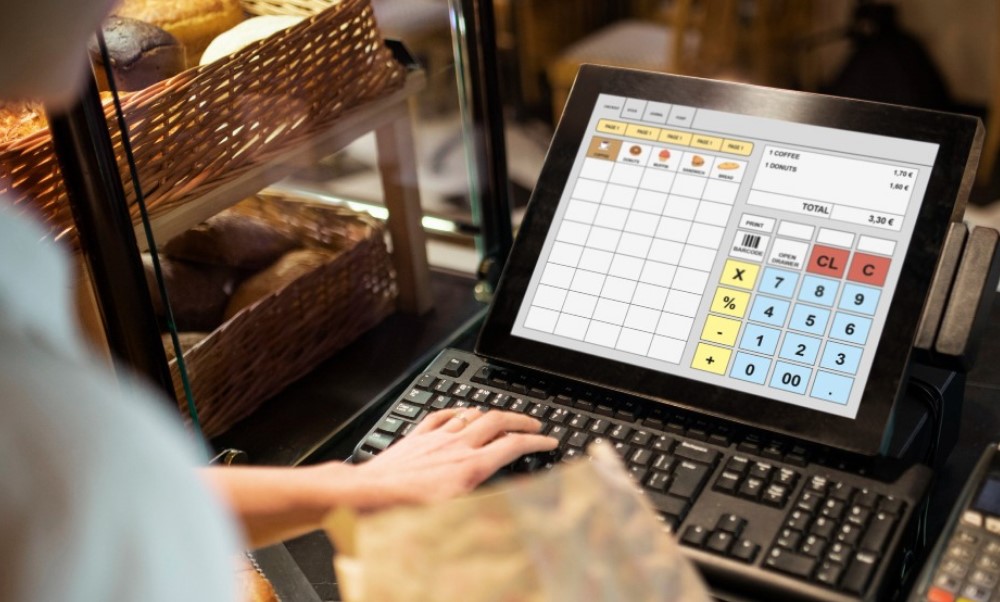
ERP for retail business is a centralized software system designed specifically to manage and integrate all core retail operations within a single platform. Unlike standalone tools for inventory, accounting, or point-of-sale, an ERP system synchronizes data across departments, ensuring consistency and accuracy.
Retail businesses face unique operational challenges such as fluctuating demand, complex inventory management, multiple sales channels, supplier coordination, and customer experience optimization. A dedicated ERP system for retail addresses these challenges by providing real-time visibility into stock levels, sales performance, supplier transactions, and financial health.
More importantly, ERP for retail business allows decision-makers to move from reactive management to proactive strategy. With real-time dashboards, forecasting tools, and automated workflows, retailers can optimize operations, reduce costs, and improve profitability.
Key Problems ERP for Retail Business Solves
Retail companies face increasing operational complexity as they grow, expand sales channels, and manage higher customer expectations. Without an integrated system, these challenges often lead to inefficiencies, errors, and lost revenue. Implementing ERP for retail business helps solve these critical problems by centralizing operations, automating processes, and delivering real-time insights.
Inventory Inaccuracy and Stock Imbalance
One of the most significant problems in retail operations is inaccurate inventory data. Many retailers rely on manual tracking or disconnected systems, which leads to overstocking, stockouts, and mismatched inventory levels across stores and warehouses. These issues increase storage costs and directly impact customer satisfaction when products are unavailable.
ERP for retail business solves this problem by providing real-time inventory visibility across all locations and sales channels. Stock levels are automatically updated with every transaction, ensuring accurate availability and optimized replenishment. Retailers can maintain the right balance of inventory while reducing waste and lost sales.
Disconnected Data Across Departments
Retail businesses often struggle with data silos between sales, finance, procurement, and inventory teams. When information is scattered across multiple systems, reports become inconsistent and decision-making slows down. Managers lack a complete picture of business performance.
ERP for retail business integrates all departments into a single system. This unified data environment ensures consistent reporting, improved collaboration, and faster access to actionable insights. Decision-makers can analyze sales trends, cash flow, and operational performance in real time.
Manual and Error-Prone Processes
Many retail operations depend heavily on manual processes such as order entry, invoicing, stock reconciliation, and purchase order management. These processes are time-consuming and increase the risk of human error, which can lead to financial discrepancies and operational delays.
ERP for retail business automates routine workflows, reducing errors and improving efficiency. Automated processes ensure faster order processing, accurate financial records, and smoother day-to-day operations, allowing staff to focus on strategic tasks.
Omnichannel Management Challenges
Managing both physical stores and online sales platforms creates complexity for retailers. Without proper integration, pricing inconsistencies, delayed fulfillment, and fragmented customer experiences are common problems.
ERP for retail business integrates point-of-sale systems, eCommerce platforms, and warehouse operations into one centralized system. This ensures consistent pricing, unified order management, and seamless customer experiences across all channels.
Poor Demand Forecasting and Planning
Retailers often struggle to predict customer demand accurately. Limited access to historical data and lack of analytical tools result in poor purchasing decisions, excess inventory, or missed sales opportunities.
ERP systems use historical sales data and real-time analytics to improve demand forecasting. ERP for retail business helps retailers plan inventory, promotions, and staffing more effectively, reducing risk and improving profitability.
Limited Financial Visibility and Control
Without integrated financial systems, tracking profitability by product, store, or region becomes difficult. Retailers may struggle with budgeting, cost control, and regulatory compliance.
ERP for retail business connects financial management directly with sales and inventory data. This provides real-time financial visibility, accurate reporting, and better control over costs, helping retailers maintain financial stability and compliance.
Scalability and Growth Limitations
As retail businesses expand, managing additional locations, users, and transaction volumes becomes increasingly complex. Traditional systems often fail to scale efficiently, causing operational bottlenecks.
ERP for retail business is designed to scale alongside business growth. It supports expansion without disrupting operations, making it an essential solution for retailers planning long-term growth and sustainability.
Core Features of ERP for Retail Business
Inventory and Stock Management
Inventory management is the backbone of any retail ERP system. ERP for retail business provides real-time tracking of stock across warehouses, stores, and online channels. This ensures accurate stock counts, automated replenishment, and reduced shrinkage.
Advanced inventory features include demand forecasting, batch and serial tracking, expiry management, and automatic reorder points. These capabilities help retailers optimize inventory turnover while minimizing holding costs.
Point of Sale (POS) Integration
Modern ERP for retail business integrates seamlessly with POS systems. Every sale made in-store or online is automatically reflected in inventory, accounting, and customer data modules.
This integration eliminates manual data entry, reduces errors, and provides instant visibility into sales performance by product, store, or region.
Financial Management and Accounting
ERP systems include robust accounting modules that handle general ledger, accounts payable, accounts receivable, taxation, and financial reporting. For retail businesses, this ensures accurate profit tracking and regulatory compliance.
By linking sales data directly to financial records, ERP for retail business provides real-time insights into revenue, margins, and operating costs.
Supply Chain and Vendor Management
ERP for retail business streamlines supplier relationships by managing purchase orders, vendor pricing, delivery schedules, and payment terms. Retailers gain better control over procurement and supplier performance.
This feature is particularly beneficial for businesses managing multiple vendors or importing goods across regions.
Customer Relationship Management (CRM)
Customer data is invaluable in retail. ERP systems store customer purchase history, preferences, and loyalty data in one place. This enables personalized marketing, loyalty programs, and improved customer service.
Benefits of Using ERP for Retail Business
Operational Efficiency and Automation
ERP for retail business automates repetitive tasks such as inventory updates, invoice generation, and purchase order creation. Automation reduces manual workload and allows staff to focus on strategic activities.
With workflows automated across departments, businesses experience faster operations, fewer errors, and improved productivity.
Improved Decision Making
ERP systems provide real-time dashboards and detailed reports covering sales trends, inventory performance, and financial metrics. Decision-makers can analyze data instantly rather than waiting for manual reports.
This leads to better pricing strategies, optimized stock levels, and informed expansion decisions.
Cost Reduction and Profit Optimization
By reducing inventory waste, minimizing errors, and improving supplier negotiations, ERP for retail business significantly lowers operational costs. Accurate forecasting also prevents unnecessary overstocking.
Improved cost control directly translates into higher profit margins and sustainable growth.
Enhanced Customer Experience
With accurate stock availability, faster checkout processes, and personalized offers, ERP systems help retailers deliver a superior customer experience. Satisfied customers are more likely to return and recommend the brand.
Real-World ERP Products for Retail Business
SAP Business One for Retail
SAP Business One is a powerful ERP for retail business designed for small and mid-sized enterprises. It offers integrated inventory, sales, financials, and analytics within a single platform.
SAP Business One excels in handling complex inventory structures, multi-warehouse operations, and advanced reporting. Retailers benefit from SAP’s global reliability and scalability.
Use Case: Ideal for growing retail chains with complex inventory and financial requirements.
Pros: Strong analytics, scalability, global support.
Cons: Higher implementation cost, requires training.
Price: Typically starts around $3,000 per user plus implementation fees.
Oracle NetSuite Retail ERP
Oracle NetSuite is a cloud-based ERP for retail business widely used by mid-to-enterprise retailers. It supports omnichannel retail, global operations, and real-time financial management.
NetSuite’s biggest advantage is its unified cloud architecture, which allows retailers to manage physical stores, eCommerce, and warehouses from one platform.
Use Case: Best for omnichannel and international retail brands.
Pros: Cloud-native, real-time data, strong scalability.
Cons: Premium pricing, customization complexity.
Price: Starts from approximately $999 per month plus modules.
Microsoft Dynamics 365 Commerce
Microsoft Dynamics 365 Commerce combines ERP and retail commerce capabilities. It integrates POS, inventory, CRM, and finance into one ecosystem.
Retailers already using Microsoft products benefit from seamless integration and familiar interfaces.
Use Case: Suitable for retailers seeking ERP and POS integration.
Pros: Strong integration, flexible modules.
Cons: Requires Microsoft ecosystem familiarity.
Price: Pricing varies by module, typically mid-range.
Odoo ERP for Retail Business
Odoo is an open-source ERP for retail business offering flexibility and affordability. It provides inventory, POS, accounting, and CRM modules that can be customized extensively.
Odoo is popular among small and mid-sized retailers due to its modular pricing and scalability.
Use Case: Ideal for small retailers seeking cost-effective ERP.
Pros: Affordable, customizable, modular.
Cons: Requires technical expertise for customization.
Price: Free community version or paid plans starting around $25 per user/month.
Infor CloudSuite Retail
Infor CloudSuite Retail is designed specifically for large retail enterprises. It offers advanced demand planning, supply chain optimization, and analytics.
This ERP for retail business is particularly strong in handling high transaction volumes and complex supply chains.
Use Case: Large retailers with complex operations.
Pros: Industry-specific features, powerful analytics.
Cons: High cost, complex implementation.
Price: Enterprise-level pricing on request.
Comparison of ERP for Retail Business by Use Case
Small retailers benefit most from affordable and flexible solutions like Odoo, which offers essential ERP functionality without heavy upfront costs. Growing retail chains often choose SAP Business One or Microsoft Dynamics due to scalability and strong financial management.
Enterprise retailers with omnichannel or global operations prefer Oracle NetSuite or Infor CloudSuite Retail for advanced analytics and supply chain control. Each ERP solution serves a different business stage and operational complexity.
How ERP for Retail Business Solves Real Problems
ERP systems eliminate inventory inaccuracies by syncing sales and stock in real time. They prevent financial discrepancies by linking transactions directly to accounting records.
Retailers also benefit from improved supplier coordination, reduced delays, and better demand forecasting. Ultimately, ERP for retail business transforms fragmented operations into a cohesive, data-driven system.
How Much Does ERP for Retail Business Cost
The cost of ERP for retail business depends on factors such as business size, number of users, modules required, and deployment type. Cloud-based ERP systems typically use subscription pricing, while on-premise solutions involve higher upfront costs.
Small businesses can expect to spend a few hundred dollars per month, while enterprise solutions may cost thousands monthly. Implementation, customization, and training costs should also be considered.
How and Where to Buy ERP for Retail Business
- Identify business needs clearly
Start by analyzing your retail operations and identifying the main problems you want to solve, such as inventory inaccuracies, financial reporting issues, or omnichannel management. Defining clear requirements helps you select the most suitable ERP for retail business without paying for unnecessary features. - Choose the right deployment model
Decide whether a cloud-based or on-premise ERP solution fits your business. Cloud ERP is ideal for most retailers due to lower upfront costs, easier maintenance, and scalability. On-premise ERP may suit retailers that require full control over their data and infrastructure. - Compare trusted ERP vendors
Purchase ERP for retail business directly from reputable vendors such as SAP, Oracle NetSuite, Microsoft Dynamics 365, Odoo, or Infor. These vendors provide official product documentation, demos, and support services to ensure reliability and security. - Request demos and free trials
Before buying, request live demonstrations or trial access to evaluate usability, features, and performance. This helps ensure the ERP system matches your operational workflows. - Buy through certified partners if needed
Many retailers choose authorized ERP partners for customization, implementation, and training. This ensures smoother deployment and long-term success. - Review pricing and support options
Carefully evaluate subscription fees, implementation costs, and ongoing support services before making the final purchase decision.
Conclusion: Is ERP for Retail Business Worth It?
ERP for retail business is no longer optional in a competitive retail environment. It provides operational efficiency, cost savings, data accuracy, and scalability. Choosing the right ERP solution ensures long-term business growth and improved customer satisfaction.
Investing in ERP is a strategic decision that delivers measurable returns when implemented correctly.
Frequently Asked Questions
What is the best ERP for retail business?
The best ERP depends on business size and needs. Small retailers prefer Odoo, while enterprise retailers often choose Oracle NetSuite or SAP Business One.
How long does ERP implementation take?
ERP implementation typically takes between 3 to 9 months, depending on system complexity and customization.
Can ERP for retail business integrate with eCommerce platforms?
Yes, most modern ERP systems support integration with popular eCommerce platforms to manage omnichannel sales effectively.