Business growth is exciting, but it also brings complexity. As organizations expand, manual processes, disconnected systems, and outdated software begin to slow operations. This is where scalable ERP software becomes a critical investment. Unlike basic accounting or standalone tools, scalable ERP software grows alongside your business, adapting to new users, locations, products, and markets without sacrificing performance or control.
What Scalable ERP Software Means for Modern Businesses
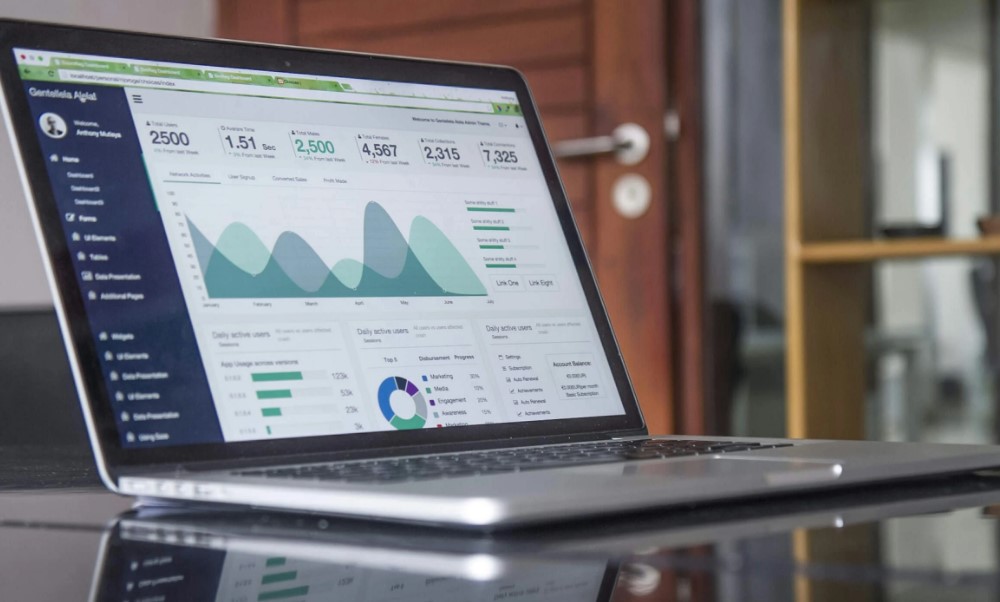
Scalable ERP software refers to an enterprise resource planning system designed to handle increasing workloads, users, data volume, and business complexity without requiring a full system replacement. Instead of outgrowing the software, companies can add modules, users, integrations, and capabilities as needed.
Traditional software often forces businesses into rigid structures. Once transaction volumes increase or new departments are added, performance drops or functionality becomes limited. Scalable ERP software avoids this issue by using modular architecture, cloud infrastructure, and flexible licensing models.
For growing companies, scalability is not just about size. It also involves adapting to new regulations, entering new markets, supporting remote teams, and integrating emerging technologies. A scalable ERP system ensures operational continuity while enabling strategic growth.
Why Businesses Are Actively Searching for Scalable ERP Software
- Rapid Business Growth Requires Flexible Systems
Many businesses experience sudden growth due to digital sales channels, expanding markets, or increased customer demand. Traditional software often cannot handle higher transaction volumes or additional users. Scalable ERP software allows companies to expand operations without replacing their entire system, making growth smoother and more predictable. - Increasing Operational Complexity
As organizations grow, managing finance, inventory, sales, procurement, and human resources becomes more complex. Using separate systems leads to data silos and inefficiencies. Scalable ERP software centralizes these processes into one platform, ensuring consistency and better operational control. - Long-Term Cost Efficiency
Basic tools may appear affordable at first, but they often require manual work, extra staff, or multiple add-ons as the business expands. Scalable ERP software reduces long-term costs by automating workflows, minimizing errors, and eliminating the need for multiple disconnected systems. - Need for Real-Time Business Visibility
Business leaders need accurate and up-to-date information to make fast decisions. Scalable ERP software provides real-time reporting and analytics across all departments, helping companies identify trends, monitor performance, and respond quickly to changes. - Support for Global and Multi-Location Operations
Many businesses operate across regions or plan international expansion. Scalable ERP software supports multi-currency transactions, tax compliance, and regional regulations, making it easier to manage global operations from a single system. - Adaptation to Modern Workforce Models
Remote work and distributed teams require systems that can scale user access securely. Cloud-based scalable ERP software allows employees to access business data from anywhere, supporting collaboration and productivity without infrastructure limitations. - Seamless Technology Integration
Modern businesses rely on e-commerce platforms, CRM systems, payment gateways, and analytics tools. Scalable ERP software integrates easily with these technologies, ensuring smooth data flow and preventing operational disruption. - Future-Proofing the Business
Companies want solutions that will remain relevant as their needs evolve. Scalable ERP software is designed to adapt to new processes, regulations, and technologies, helping businesses stay competitive in the long term.
In conclusion, businesses are actively searching for scalable ERP software because it supports sustainable growth, reduces complexity, improves efficiency, and prepares organizations for future challenges.
Key Business Problems Solved by Scalable ERP Software
- Data Fragmentation Across Departments
Many businesses use separate tools for finance, inventory, sales, and human resources. This creates disconnected data, inconsistencies, and reporting errors. Scalable ERP software centralizes all business data into a single system, ensuring accuracy, consistency, and a clear source of truth across the organization. - Operational Inefficiency and Manual Processes
Manual data entry, repetitive tasks, and uncoordinated workflows slow down operations and increase the risk of errors. As transaction volumes grow, these inefficiencies become more costly. Scalable ERP software automates core business processes, improving productivity and reducing human error. - Limited System Scalability During Growth
Many legacy systems struggle to handle increased users, data, and transaction volumes. This leads to performance issues or expensive system replacements. Scalable ERP software is built to grow with the business, allowing organizations to add users, modules, and functionality without disrupting operations. - Lack of Real-Time Business Visibility
Decision-makers often rely on outdated or incomplete reports when systems are disconnected. Scalable ERP software provides real-time dashboards and analytics, giving leaders instant access to financial, operational, and performance data for faster and more informed decision-making. - Compliance and Regulatory Challenges
Growing businesses must manage complex tax rules, accounting standards, and industry regulations, especially when operating in multiple regions. Scalable ERP software includes compliance tools, audit trails, and standardized reporting to reduce risk and simplify regulatory requirements. - Integration Difficulties with Other Systems
Businesses frequently use third-party tools such as CRM, e-commerce platforms, and payroll systems. Without proper integration, data synchronization becomes inefficient. Scalable ERP software is designed to integrate seamlessly with modern applications, ensuring smooth data flow. - High Long-Term Operational Costs
Using multiple systems increases software costs, training time, and maintenance expenses. Scalable ERP software reduces total cost of ownership by consolidating systems and optimizing processes over time. - Inability to Adapt to Future Business Needs
Markets, customer demands, and technologies evolve rapidly. Scalable ERP software provides a flexible foundation that allows businesses to adapt, innovate, and remain competitive in the long term.
By addressing these critical challenges, scalable ERP software enables businesses to operate more efficiently, grow sustainably, and make smarter strategic decisions.
Core Features That Define Scalable ERP Software
A defining feature of scalable ERP software is modular functionality. Businesses can start with core modules such as finance and inventory, then expand to include CRM, manufacturing, procurement, or HR as needed. This prevents overinvestment while supporting future needs.
Cloud architecture plays a crucial role in scalability. Cloud-based ERP systems dynamically allocate resources based on demand. This ensures consistent performance even during peak usage periods and eliminates the need for costly infrastructure upgrades.
Another essential feature is integration capability. Scalable ERP software integrates with e-commerce platforms, payment gateways, third-party analytics tools, and industry-specific applications. This connectivity ensures seamless data flow across the entire business ecosystem.
Benefits of Using Scalable ERP Software for Business Growth
One of the most impactful benefits is improved operational visibility. With real-time dashboards and analytics, decision-makers gain instant insight into financial performance, inventory levels, and customer trends.
Cost optimization is another key advantage. Scalable ERP software reduces operational waste, prevents overstocking, and improves cash flow management. Over time, these efficiencies translate into measurable cost savings.
Scalability also enhances customer satisfaction. Faster order processing, accurate inventory tracking, and responsive customer service create a better experience for clients. This strengthens brand reputation and supports long-term revenue growth.
SAP Business One for Growing Enterprises
SAP Business One is a well-known scalable ERP software designed for small and mid-sized enterprises. It offers strong financial management, inventory control, and analytics capabilities.
The platform is highly modular, allowing businesses to add features as they grow. SAP Business One supports multi-currency, multi-language, and multi-location operations, making it ideal for companies planning international expansion.
In terms of pricing, SAP Business One typically follows a licensing model with additional costs for implementation and customization. While the initial investment may be higher than some competitors, its reliability and scalability make it a strong long-term solution.
Pros:
Strong financial controls, global scalability, robust reporting
Cons:
Higher upfront cost, requires certified partners for implementation
Oracle NetSuite ERP
Oracle NetSuite is a cloud-native scalable ERP software widely used by fast-growing companies. It offers a comprehensive suite covering finance, CRM, inventory, e-commerce, and professional services automation.
NetSuite’s strength lies in its ability to scale effortlessly. Businesses can add users, subsidiaries, and advanced analytics without disrupting operations. Its real-time financial visibility is especially valuable for CFOs and finance teams.
Pricing for NetSuite is subscription-based, typically charged annually. Costs depend on selected modules, user count, and transaction volume. While pricing is premium, the platform delivers enterprise-level capabilities.
Pros:
True cloud ERP, strong scalability, extensive integrations
Cons:
Higher subscription cost, customization may require expertise
Microsoft Dynamics 365 Business Central
Microsoft Dynamics 365 Business Central is a flexible scalable ERP software ideal for companies already using Microsoft products. It integrates seamlessly with Microsoft 365, Power BI, and Azure services.
This ERP solution offers finance, supply chain, sales, and project management tools. Its cloud deployment ensures scalability without infrastructure overhead.
Pricing is subscription-based with different plans for essential and premium features. This makes it accessible for small businesses while still powerful enough for growing enterprises.
Pros:
Strong Microsoft integration, flexible pricing, user-friendly interface
Cons:
Advanced features may require add-ons
Odoo Enterprise ERP
Odoo Enterprise is an open-source-based scalable ERP software known for its modular flexibility. Businesses can choose from hundreds of apps covering accounting, inventory, CRM, manufacturing, and HR.
Odoo’s pricing is competitive, especially for startups and SMEs. Its scalability allows companies to start small and expand functionality as needed.
However, customization and implementation quality often depend on the chosen partner. Businesses should ensure proper planning before deployment.
Pros:
Affordable pricing, modular design, wide feature range
Cons:
Partner-dependent quality, learning curve for customization
Infor CloudSuite
Infor CloudSuite is industry-focused scalable ERP software designed for manufacturing, healthcare, and distribution sectors. It offers deep industry functionality combined with cloud scalability.
Infor emphasizes automation, analytics, and user experience. Its pricing varies based on industry and deployment scope.
Pros:
Industry-specific features, strong automation
Cons:
Limited appeal outside target industries
Comparing Scalable ERP Software by Use Case
For startups and small businesses, Odoo and Microsoft Dynamics 365 offer affordability and flexibility. These platforms allow gradual expansion without overwhelming complexity.
Mid-sized companies with international growth plans often prefer SAP Business One or NetSuite due to their strong financial controls and global capabilities.
Industry-specific businesses benefit most from Infor CloudSuite, which offers tailored features that generic ERP systems may lack.
Pricing Overview and Investment Considerations
Scalable ERP software pricing varies significantly. Subscription-based cloud ERP typically ranges from a few hundred to several thousand dollars per month depending on users and modules.
Implementation costs should also be considered. These include configuration, data migration, training, and customization. While upfront costs may seem high, the long-term ROI often justifies the investment.
How to Buy Scalable ERP Software Step by Step
Start by assessing your current and future business needs. Identify pain points, growth projections, and required integrations.
Next, shortlist vendors based on industry relevance, scalability, and budget. Request demos to evaluate usability and feature fit.
Finally, purchase directly from the vendor’s official website or through certified partners. This ensures proper licensing, support, and implementation quality.
Where to Buy Scalable ERP Software Safely
The safest way to buy scalable ERP software is through official vendor websites or authorized partners. Avoid unofficial resellers that may offer lower prices without proper support.
Most vendors provide free consultations, demos, and trial periods. Use these opportunities to validate the solution before committing.
Why Scalable ERP Software Is a Long-Term Business Asset
ERP is not just a software purchase; it is a strategic investment. Scalable ERP software enables businesses to adapt, innovate, and compete effectively in dynamic markets.
By centralizing data, automating processes, and providing real-time insights, ERP systems empower organizations to grow with confidence.
Frequently Asked Questions
What is the best scalable ERP software for growing businesses?
The best solution depends on business size, industry, and budget. Popular options include Oracle NetSuite, SAP Business One, Microsoft Dynamics 365, and Odoo.
How much does scalable ERP software cost?
Costs vary widely, ranging from affordable monthly subscriptions to premium enterprise pricing. Implementation and customization costs should also be considered.
Is scalable ERP software suitable for small businesses?
Yes. Many modern ERP solutions are designed specifically for small and mid-sized businesses and can scale as the company grows.